


Industrial Dust Collector Maintenance Matters: 5 Ways to Protect Your Shop’s Air
Maintaining an industrial dust collector is a critical operational requirement for any facility involved in grinding, sanding, welding, or CNC machining. Beyond simple housekeeping, a well-maintained system ensures OSHA compliance, protects expensive machinery from abrasive particulates, and safeguards employee health. When air filtration systems fail or underperform, the result is often increased downtime, higher energy costs, and potential regulatory fines.
At Kogi Environmental Solutions, we prioritize technical precision in air quality management. Whether you are operating a VB-750 Downdraft Bench for finishing operations or a large-scale baghouse, the following five maintenance strategies are essential for protecting your shop’s air and optimizing equipment longevity.
1. Implementing a Standardized Inspection & Maintenance Protocol
The reliability of an industrial dust collector depends on consistency. Small mechanical failures: such as a failing diaphragm valve or a compromised seal: can quickly escalate into system-wide performance drops. A standardized schedule allows maintenance teams to identify wear before it leads to catastrophic failure.
Daily and Weekly Technical Checks
Daily inspections should focus on the operational status of the pulse cleaning system. Technicians should listen for the distinct "thump" of the pulse valves and verify that the timer board is cycling correctly. Weekly checks must include a visual inspection of the hopper discharge area. If dust is allowed to back up into the hopper, it can bridge and eventually "blanket" the filters, leading to immediate airflow restriction.
Monthly and Quarterly Requirements
Monthly inspections require a deeper dive into the structural integrity of the unit. This includes checking all seals, gaskets, and door latches for air leaks. In a negative pressure system, a leaking door gasket allows "false air" into the collector, reducing the suction available at the source. Quarterly, focus on the mechanical components of the fan and motor, ensuring that belts are tensioned correctly and bearings are lubricated according to manufacturer specifications.
2. Monitoring Differential Pressure as a Vital Sign
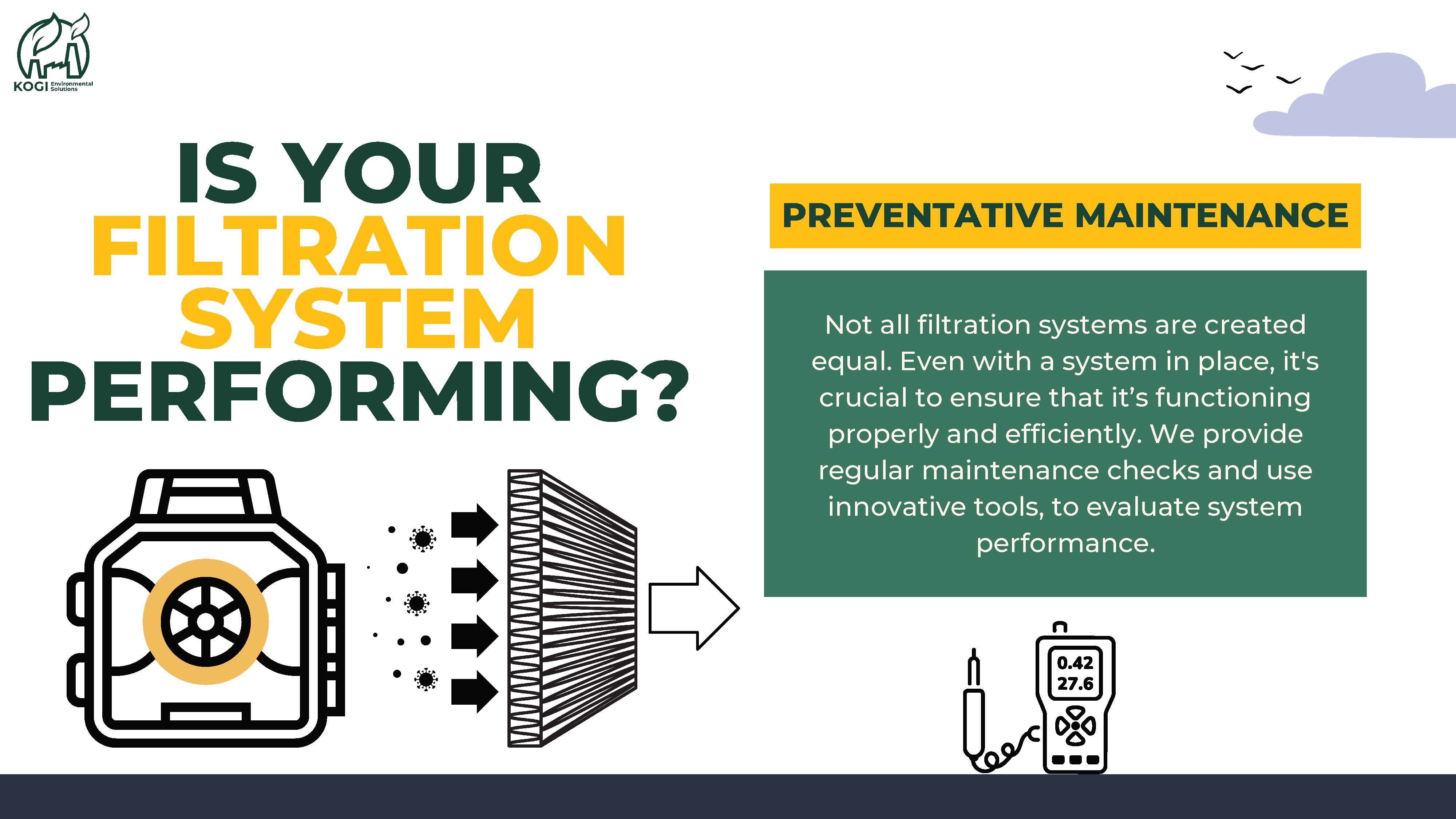
Differential pressure (ΔP) is the measurement of the pressure drop across the dust collector filters. It is the most accurate indicator of filter health and overall system efficiency.
Understanding ΔP Readings
A "normal" operating range is typically between 2 and 5 inches of water column (w.c.), though this varies based on the filter media and application.
- High Differential Pressure: This indicates that the filters are "blinded" or overloaded with dust. This forces the fan to work harder, increasing energy consumption and reducing the capture velocity at the hoods.
- Sudden Drop in Pressure: A sudden decrease in ΔP usually signifies a torn filter or a bypassed seal. This is a critical failure, as unfiltered air: potentially containing hazardous particulates: is being exhausted back into the facility or the environment.
By logging ΔP daily, shop managers can predict exactly when a filter change-out will be necessary, allowing for scheduled downtime rather than emergency repairs.
3. Optimizing Filter Lifecycle and Media Selection
The choice of filter media is as important as the maintenance of the collector itself. In metalworking environments where oil mist is present, standard cellulose filters may saturate quickly. In these instances, integrating an oil mist collector or a specialized mist collector alongside the dust system is necessary to prevent "mudding" of the dry dust filters.
Filter Replacement Signs
Filters should be replaced when they can no longer be cleaned down to an acceptable ΔP baseline. Using high-quality replacements, such as those from Parker, Donaldson, or Camfil, ensures that the MERV rating meets the required safety standards for your specific particulate size.

When replacing filters, technicians must ensure that the grounding wires are properly connected. In processes involving combustible dust, a lack of proper grounding can lead to static discharge and potential explosions, violating NFPA 652 standards.

4. Maintenance of the Pulse-Jet Cleaning System and Compressed Air Quality
For pulse-jet industrial dust collectors, the cleaning mechanism is the heart of the machine. If the cleaning system fails, the filters will blind within hours.
The Role of the Compressed Air Dryer
The pulse-jet system requires clean, dry compressed air to function. If the air contains moisture or oil, it will combine with the dust on the filter surface to create a crust that cannot be pulsed off. This is why an integrated compressed air dryer is a vital component of the air system. It removes moisture before it reaches the pulse valves, extending the life of both the valves and the filter media.
Valve and Solenoid Maintenance
Diaphragm valves should be inspected for tears. A leaking valve will bleed compressed air constantly, dropping the header tank pressure and preventing other valves from pulsing effectively. Ensure that the solenoid enclosures are clean and free of debris to prevent electrical failures in the timing sequence.
5. Ensuring Total System Integrity: Fumes, Mists, and VOCs
A comprehensive air quality strategy often requires more than just a single dust collector. Depending on the shop's operations, a welding fume extractor may be required to handle fine sub-micron particulates that standard dust collectors might miss.
Integrating Electrostatic Precipitators
In applications involving heavy smoke or oily fumes, an electrostatic precipitator (ESP) is often the most efficient solution. ESPs use an electrical charge to strip contaminants from the air stream. Maintenance for these units differs significantly from mechanical collectors; it involves regular washing of the collector cells rather than filter replacement. Neglecting to clean the cells in a Smog-Hog or similar ESP unit will result in "arcing" and a complete loss of filtration efficiency.

Ductwork and Airflow Balance
Finally, maintenance must extend to the ducting. Over time, heavy dust can settle in horizontal duct runs if the transport velocity drops below the required threshold (typically 3,500 to 4,500 feet per minute for metal dust). Periodic duct clean-outs and inspections of blast gates are necessary to ensure that the industrial air purifier or collector is actually receiving the air it was designed to treat.
Technical Summary for Shop Managers
Effective industrial dust collector maintenance is not merely a "fix-it-when-it-breaks" task. It is a technical discipline that requires monitoring pressure differentials, ensuring compressed air quality through a compressed air dryer, and selecting the correct filter media for the application.
By following these five pillars of maintenance, facilities can ensure they meet OSHA air quality standards and protect their workforce from the long-term health risks associated with industrial particulates. For specialized assistance in sourcing dust collector filters or engineering a custom filtration solution, contact the technical team at Kogi Environmental Solutions.